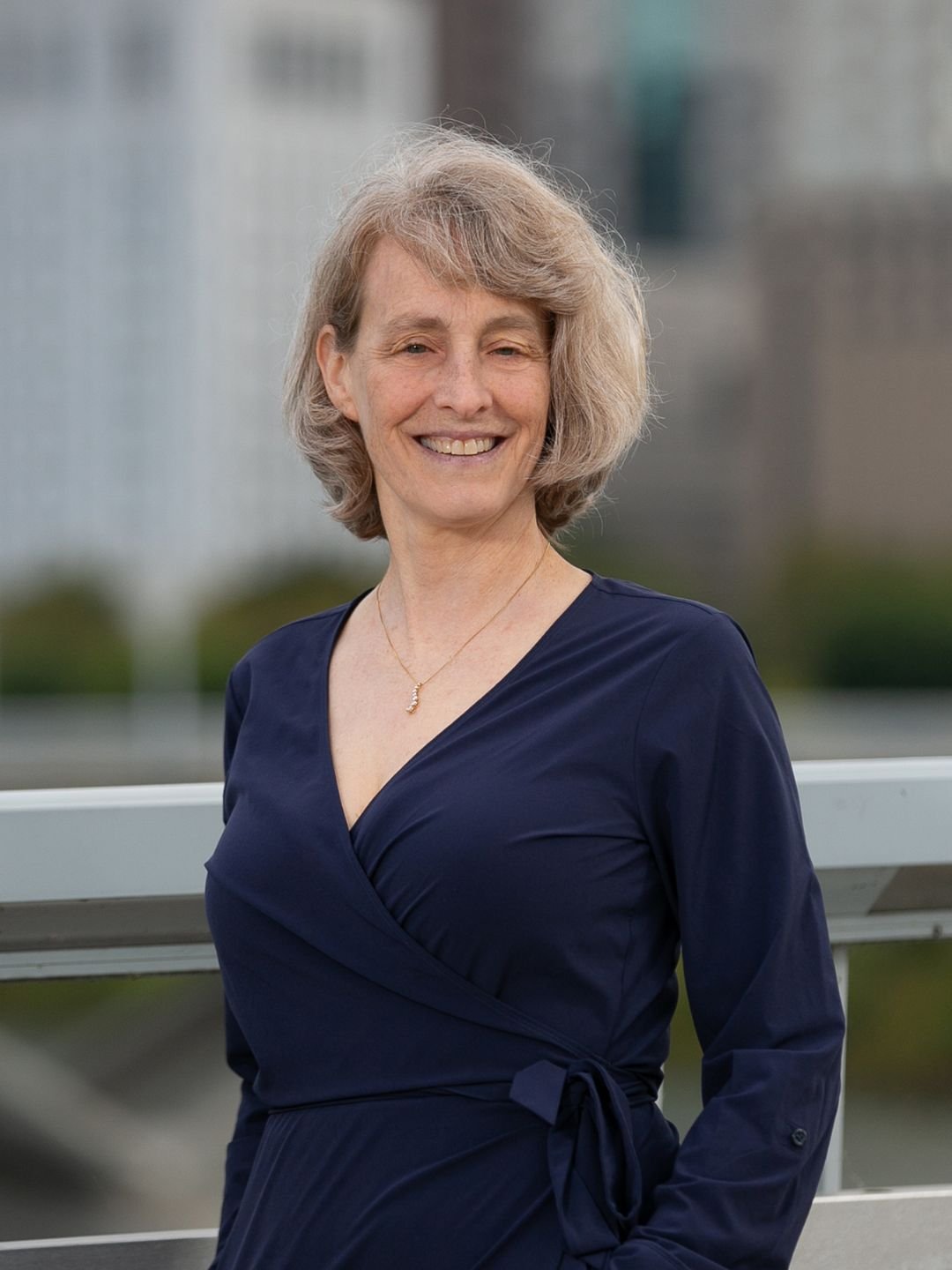
Finding What Works: A Sibling’s Perspective
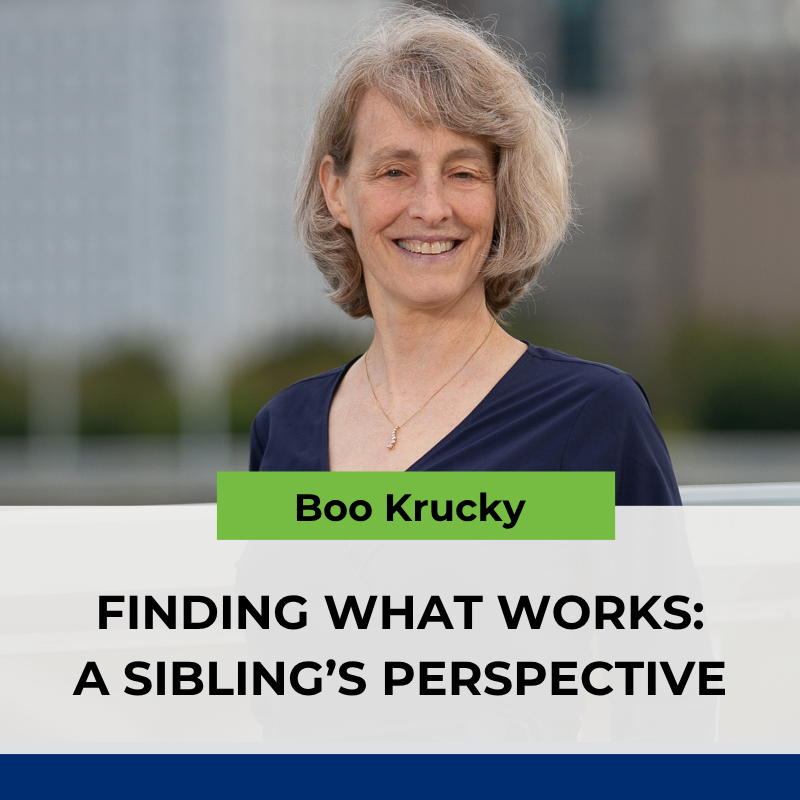
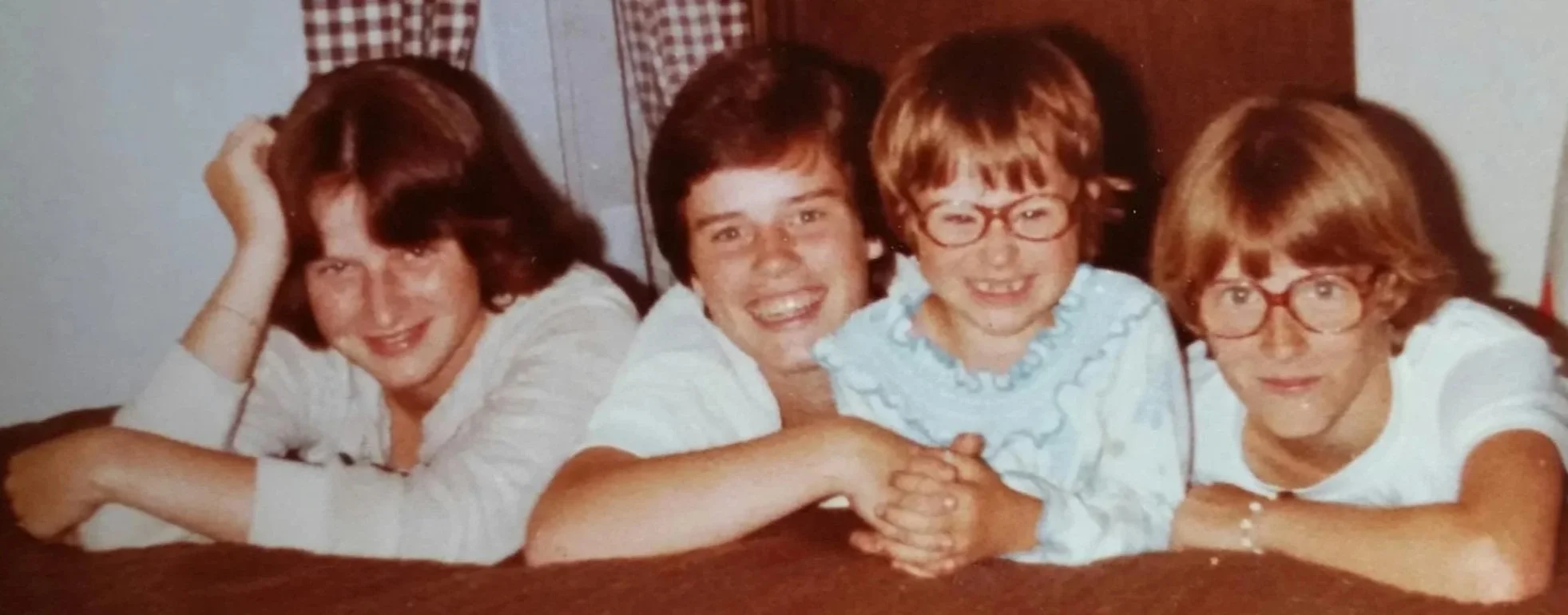
National Siblings Day is celebrated annually on April 10th to honor brothers and sisters, fostering appreciation for their unique bond. It wasn’t until, as an adult, I had a conversation with Dr. Tom Fish, a prominent advocate for sibling support, formerly of the Ohio State University Nisonger Center, and instrumental in the creation of Ohio SIBS, that my appreciation of my sibling relationships blossomed. He really caught my attention when he told me that sibling bonds are often the longest-lasting relationships in a person's life, lasting even longer than those with parents or spouses. Adding to this longevity, I will forever savor the experience of my sister, Lyn, loving me bigger and better than anyone ever has!
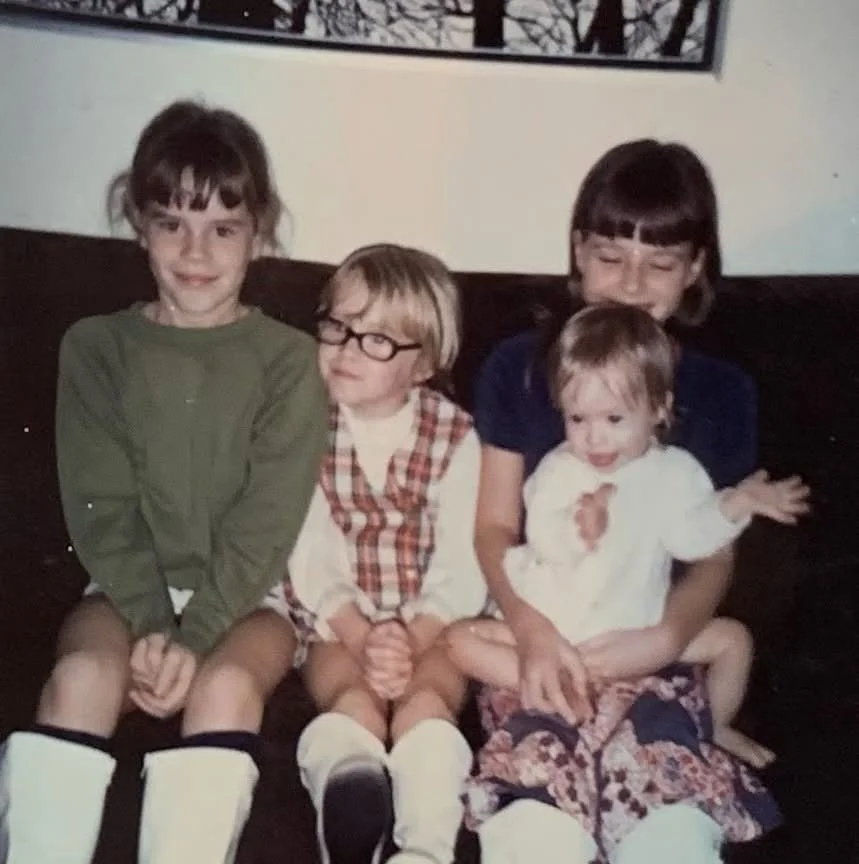
Lyn, the fourth Krucky daughter, was born in 1971. The doctor told my parents to put her in an institution - advice that was commonly told to families of babies born with Down syndrome around that time. He said that she would never be able to walk, talk, or take care of herself. Thankfully, the idea of his (what I want to believe is) well-intentioned advice, based on what was known at the time and the limited options for support, motivated my parents to NOT follow his recommendation. They brought Lyn home to be a loved and included part of our family.
As Lyn grew up, we did not have Google, Facebook groups, or artificial intelligence to instantly suggest possible explanations or solutions for whatever ailment she had or milestone she wanted to achieve. If we wanted to help her with anything, we had to be a personalized research team for her. We had access to resources and support but ultimately it was up to our family to help find what would work for Lyn.
Thankfully, Lyn was able to tell us what she wanted most of the time. And sometimes we would distill what she wanted from her previous actions and choices. We knew that Lyn wanted to be healthy enough to be able to play the games and sports she enjoyed, to work at her job, to cheer on her favorite sports teams, to dance to the songs that made her want to dance, and to spend time with those she loved. Ensuring she could do these things that mattered to her for as long as she could as independently as she could – that’s what drove (and continues to drive) us.
When Lyn was a toddler, potty training wasn’t coming along as quickly as it had for her older sisters. After trying different approaches, our family ended up taking turns keeping her company as she sat on her potty seat by reading books or playing puzzles with her – until she tinkled. Milestone achieved!
While Lyn loved participating in sports and Special Olympics, being active wasn't always something she would initiate. Suggesting shooting hoops or going for a walk was helpful. Better yet, challenging her to a game of horse or offering to go for a walk together were even better ideas – allowing her to be active AND social at the same time.
Reminding Lyn to “Eat more fruits and veggies,” wasn’t as effective as, “Let's make a smoothie together!” We used the foods we already knew she liked and sometimes added in new ones we thought she might like. Voilà, fruits and veggies were enjoyably consumed!
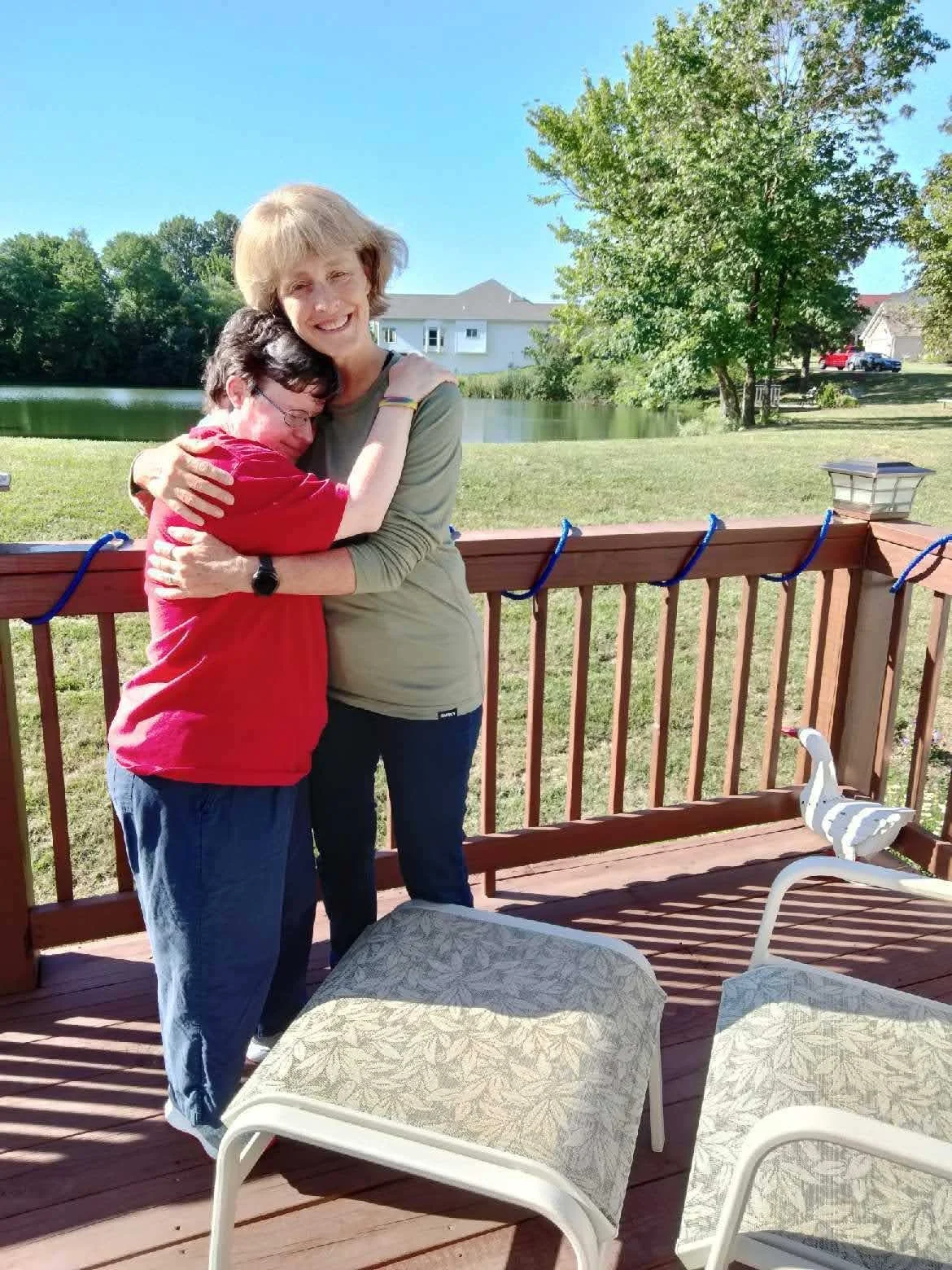
In no way did we treat Lyn like an unwilling research subject or a guinea pig. Our informal explorations were typically driven by our desire to make the “healthier” things more appealing, inviting, and even joyfully accomplished. We were on a mission to find out what worked for Lyn, so she could keep doing all those things that mattered to her.
I am grateful that today, possible strategies of what will work for Lyn are practically unlimited. Our ability to access a world of information through the internet is coupled with the fact that people with Down syndrome have begun to be safely, respectfully, and meaningfully included in research. As Lyn’s Alzheimer’s symptoms progress, I’m even more appreciative to have access to the learnings of so many other families like ours. Today, the specific strategies that are helpful may change, but this one guiding principle remains the same...the people supporting her continue to find what works for Lyn.
I am grateful that this “find what works” approach to life has enabled Lyn’s village of supporters to help her live what I think she would agree is a wonderful life! It is no small bonus that “finding what works” also serves me well as I strive to live a life that I love – both at work and outside of work! I humbly encourage each of you to become your own personal researcher by considering others’ research as you collect your own data, find what does and doesn’t work, and do more of what works - on your way to the life you love!
Thanks, LK, for your big love and all the seen and unseen ways the world is better because you are in it!