
Accidental Self-Advocate: Sometimes You Don't Know You're Advocating Until You Look Back
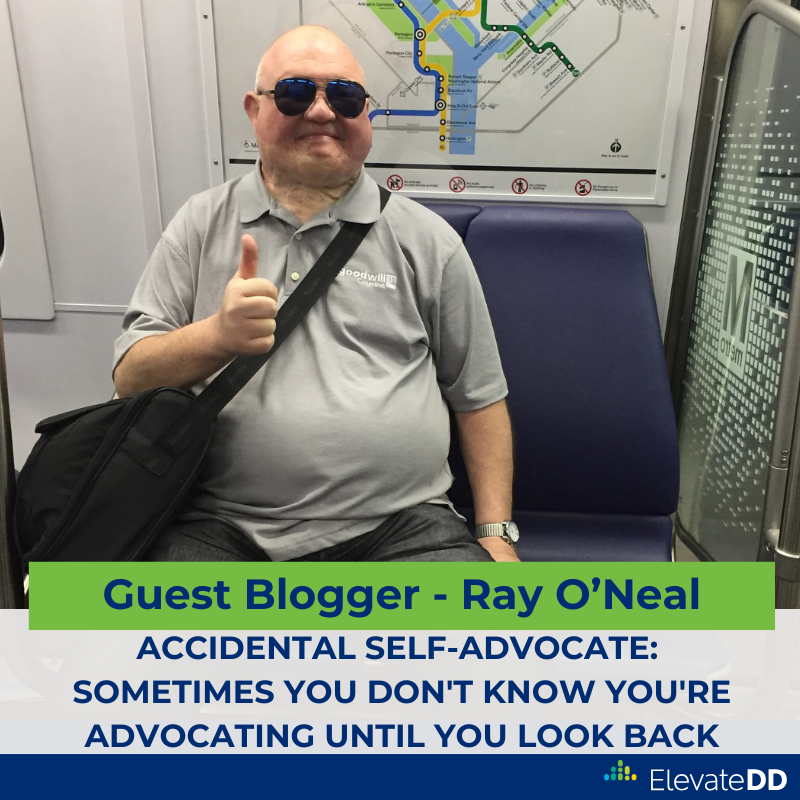
By Ray O'Neal
What if you're already a self-advocate...and you just don't know it yet?
That was certainly true for me.
At 34 years old, I lost my vision because of a genetic eye disease called retinitis pigmentosa. My wife, Deb, helped me navigate through the darkness — teaching me how to live my life without sight. When she passed away 13 years later after battling cancer, I knew I could live independently. I just wasn't sure how.
Looking back, that's when my journey as a self-advocate really began—even though I had no idea what self-advocacy was.
The First Seeds
While Deb was in the hospital, I watched her struggle through difficult medical procedures. I could see when something wasn't working, so I started speaking up. I suggested changes to the hospital staff that would make things less frustrating and less embarrassing for her. I wasn't trying to be an advocate. I was simply trying to help someone I loved.
Before Deb died, I made her a promise: I would take care of myself and keep moving forward. That promise changed everything.
One Phone Call Led to Another
After Deb passed away, I had a decision to make. Should I stay retired? Or should I go back to work? I chose work. Not because it would be easy—but because I wanted purpose. I wanted independence. And honestly, I was tired of waiting for the retirement check to arrive each month. So, I started making phone calls.
One friend pointed me toward what was then the Bureau of Services for the Visually Impaired (now Opportunities for Ohioans with Disabilities). When they didn't call me back, I called again. They told me I needed to contact OPERS about my retirement benefits. So, I called OPERS. Then I called the agency back.
Funny thing is...I never realized it was self-advocating. I just thought I was making phone calls and getting things done.
Plot Twist: I Failed the Computer Test
Eventually, I went through a vocational evaluation.
The hands-on testing? No problem.
The oral tests? I did great.
Daily living skills? Pretty good—although I'll admit cooking wasn't exactly my specialty!
Then came the computer test. Let's just say...it didn't go well. I answered exactly one question correctly. One. But instead of saying, "Well, that's the end of that," the evaluators noticed something else. They saw potential.
They introduced me to screen-reading software called JAWS. Turns out, I loved learning it. Sometimes failing one test simply points you toward the next opportunity.
A New Beginning
In December 2002, I started computer training at Goodwill Rehabilitation Center (now Goodwill Columbus). While I was learning new skills, I asked if there might be a volunteer opportunity on the business side of the organization. Again...I didn't think I was advocating. I was just asking.
That one question led to a career.
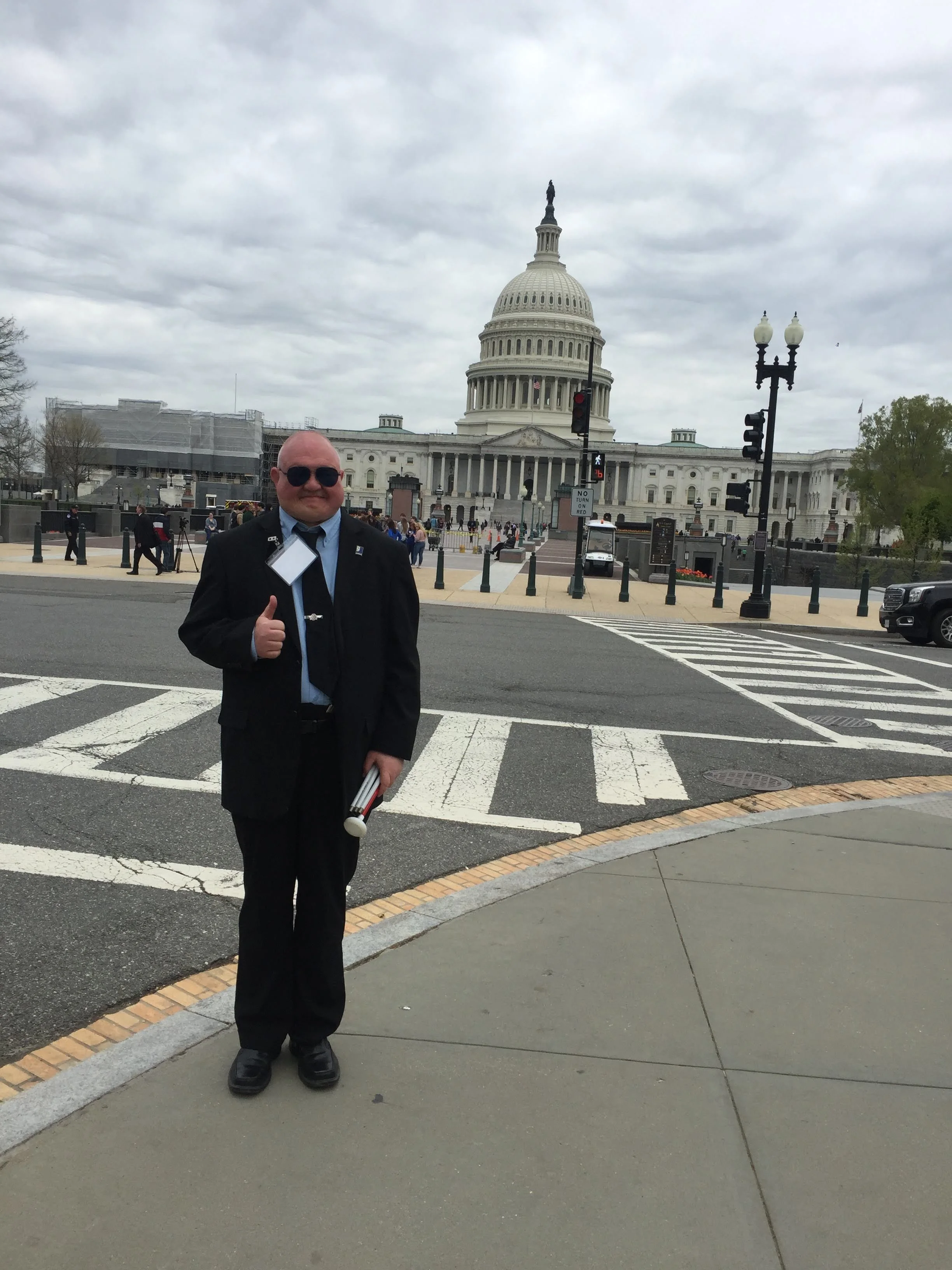
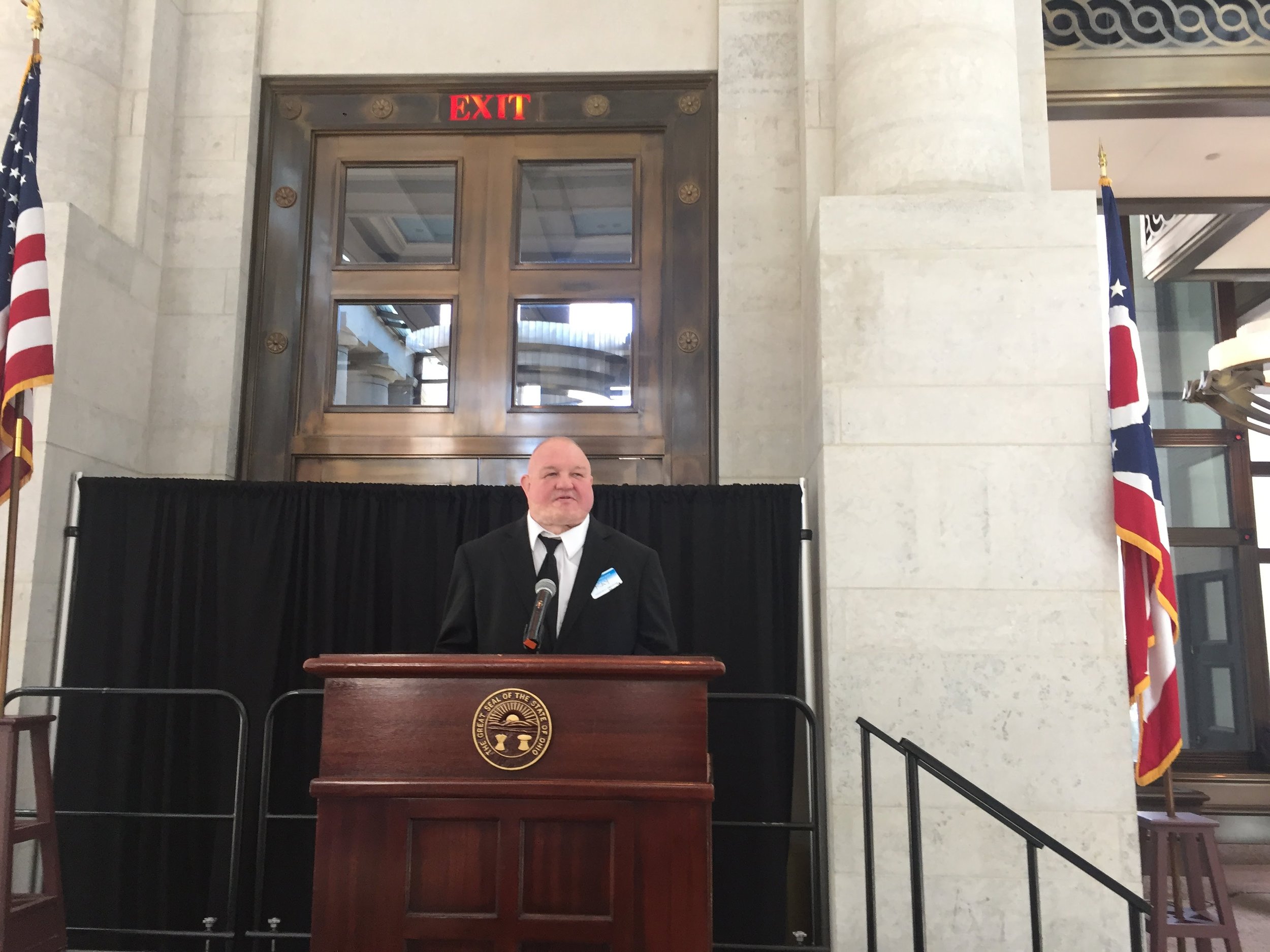
From 2004 to 2020, I worked in Goodwill's Auto Auction department, helping raise funds to support people with disabilities. Then something unexpected happened. People started asking me to tell my story. First, it was for the Goodwill annual report. Then, for community events. Then, for a postcard. Then, for a television commercial. Then, for a radio commercial. Eventually, I found myself speaking at the Ohio Statehouse. And then...Washington, D.C.
The Lightbulb Moment
In 2019, I was sitting in Washington, D.C., talking with members of Congress about disability issues. As they listened to my story, I had a realization that completely surprised me.
"Wait a minute..."
"I am independent."
"I take care of myself."
"I'm a self-advocate!"
It had taken me 18 years to realize I'd been advocating for myself all along.
Here's What I Learned
Self-advocacy doesn't always start with a speech. Sometimes it starts with:
Asking a question.
Making one more phone call.
Speaking up when something isn't working.
Asking for an accommodation.
Looking for an opportunity.
Refusing to give up after hearing "no."
Most of us don't wake up one morning thinking, "Today I'm going to become a self-advocate!" We simply do what needs to be done. And that's advocacy.
Disability Pride Means Using Your Voice
Today, I believe advocacy isn't just for people who are blind. It's for people with every disability. Our voices are strongest when we support one another.
I want you to know that YOU really are the best person to advocate for yourself! And if using your own voice feels difficult, that's okay too. Find someone who understands what you are going through so they can be your voice when you aren’t ready to speak up. It needs to be someone you can trust and who will tell you the truth.
Every time you speak up for yourself or someone else, you're helping create a more inclusive world.
Because your voice matters.
Your experiences matter.
Your ideas matter.
Your needs matter.
So this Disability Pride Month, celebrate every step you've taken—even the ones you didn't realize were acts of self-advocacy. Keep asking questions. Keep sharing your story. Keep speaking up.
Whether you realize it today or years from now, you may discover that you've been a self-advocate all along.
Happy Disability Pride Month! Keep speaking up—one step, one question, and one conversation at a time. Your voice matters, and the world is better when it's heard.