Literacy Is a Life Skill - at Every Age
The ability to read is something many of us take for granted.
Reading skills carried me through college, helped me land a professional job, and allows me to navigate everything from family recipes to health insurance paperwork. I also genuinely enjoy it. Curling up with a good whodunit novel is one of my favorite ways to unwind.
But that’s not the lens I want to use here. Because it’s hard to feel warm and fuzzy about something when it isn’t accessible to you.
When you can’t read, life becomes significantly more complicated. Research shows that people with low literacy skills spend up to 3.5 times more on prescriptions each year than those who can read.¹ Emergency room usage is higher.² People with limited literacy are four times more likely to live in poverty.³ A mother’s reading skills can have a greater impact on her child’s future success than zip code or family income.⁴
Literacy is generational. It shapes how you experience the world - in ways both visible and invisible.
It’s also important to pause here and name something we often overlook: reading is not just pulling words off a page. The goal of reading is to understand those words.
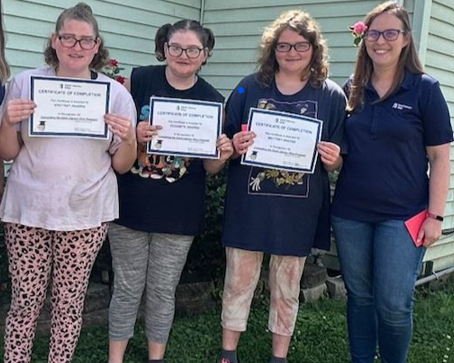
At Adult Literacy Ohio, we’ve served just over 100 adult learners to date, each with unique needs and goals. Some learners have only ever been exposed to sight words. They are incredible memorizers - which is a strength - but they haven’t been taught the foundational skills needed to decode unfamiliar words. Other learners are technically proficient readers who struggle with comprehension. Literacy challenges are not one-size-fits-all, and neither are the solutions.
And yet, despite this nuance, a quiet stigma often follows adult literacy - especially for adults with intellectual and developmental disabilities. It’s rarely stated outright, but it lingers in the air:
Can adults with IDD really make progress on their literacy goals?
Anecdotally, I can tell you the answer is yes.
But anecdotes only go so far, so here’s the research: motivated adults with IDD can and do make measurable progress⁵ when provided with high-quality instruction and sufficient instructional time. On top of that, literacy instruction has evolved significantly over the last twenty years. So has our understanding of inclusion. No matter how strong instruction may have been in a school building, it doesn’t matter if you weren’t in the room where it was happening.
The result? Many adults with developmental disabilities who were left behind.
We heard from more than 600 adults across 77 Ohio counties, 88% of whom told us they didn’t feel good about their experiences with reading in school - and who want another shot.
That’s what makes this work so powerful.
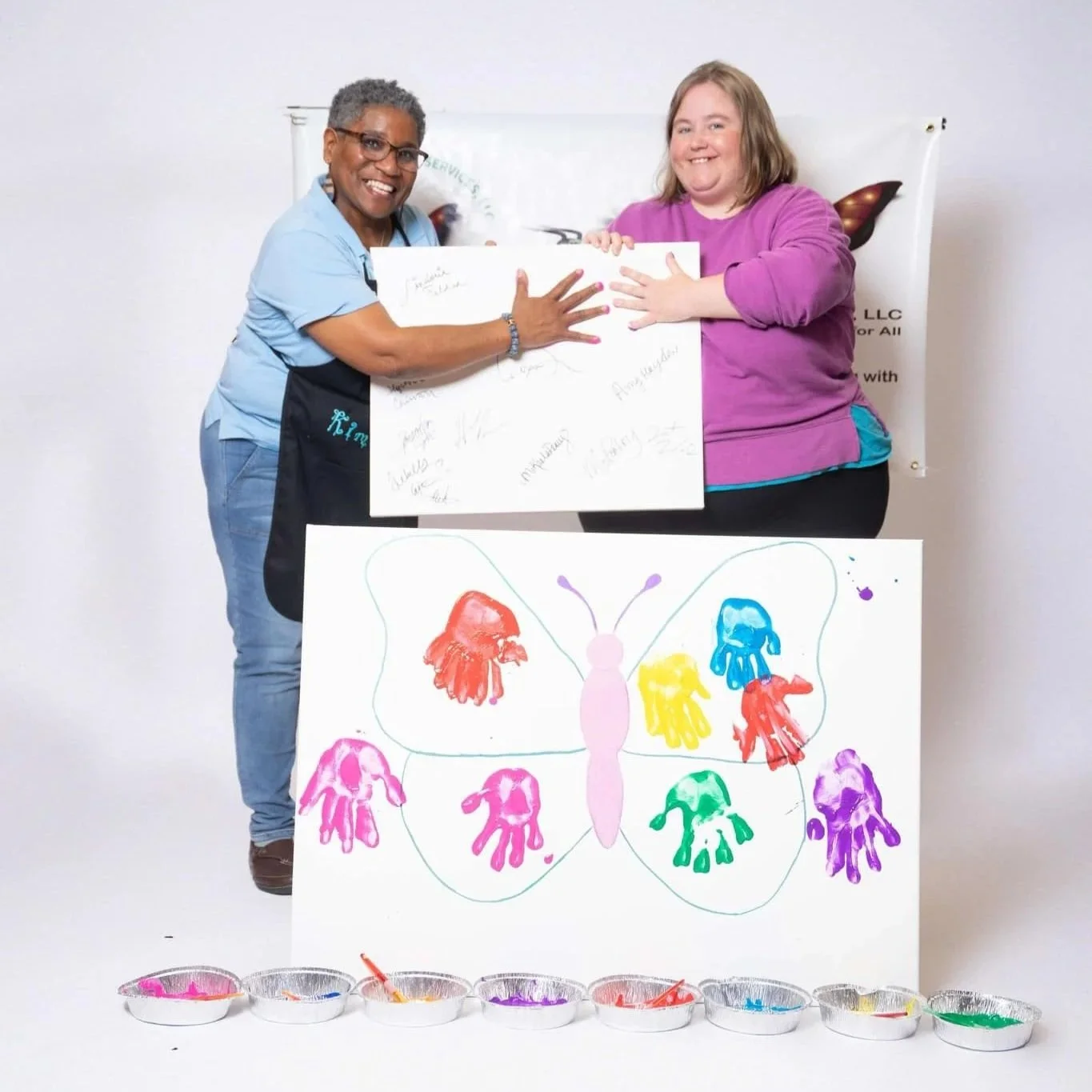
During our upcoming webinar, Unlocking Opportunities through Literacy, I’ll be joined by an incredible adult learner in our program and two of our dedicated tutors. Together, they’ll share why they chose to get involved, what tutoring sessions actually look like, and how literacy support has shaped their confidence, independence, and daily lives.
I want to close with the words of one of our community partners, who has worked closely with Amy Hayden, the adult learner who will be sharing her story during the webinar:
“The metamorphosis that Amy underwent from the beginning lesson to the end was nothing short of life changing. As an observer of her journey, I - and many others who know her - are so happy for her multi-level success. Amy has inspired us to know that we need not be limited by our past, our fears, or our present obstacles. With a good plan, the right committed relationships, and a willingness to trust and try, we can raise the value of our skills, our experiences, and our lives - and the lives of those around us. This makes for a hopeful, better world.”
That hope is what this work is about.
The first episode in our new webinar series, ConnecteDD, will take a detailed look into this matter. Join us for our next webinar, "Unlocking Opportunities through Literacy," on February 17! Register here.
Sources
¹⁻⁴ProLiteracy. (2025). Adult Basic Education fact sheet. ProLiteracy. https://www.proliteracy.org/wp-content/uploads/2025/07/2025-PL-AdultBasicEducation-FactSheet-1580099560.pdf
⁵Moni, K., Jobling, A., & Baffour, B. (2018). Literacy learning outcomes in a longitudinal study of a postschool literacy education program for young adults with intellectual disabilities. Journal of Policy and Practice in Intellectual Disabilities, 15(2), 155–165.